

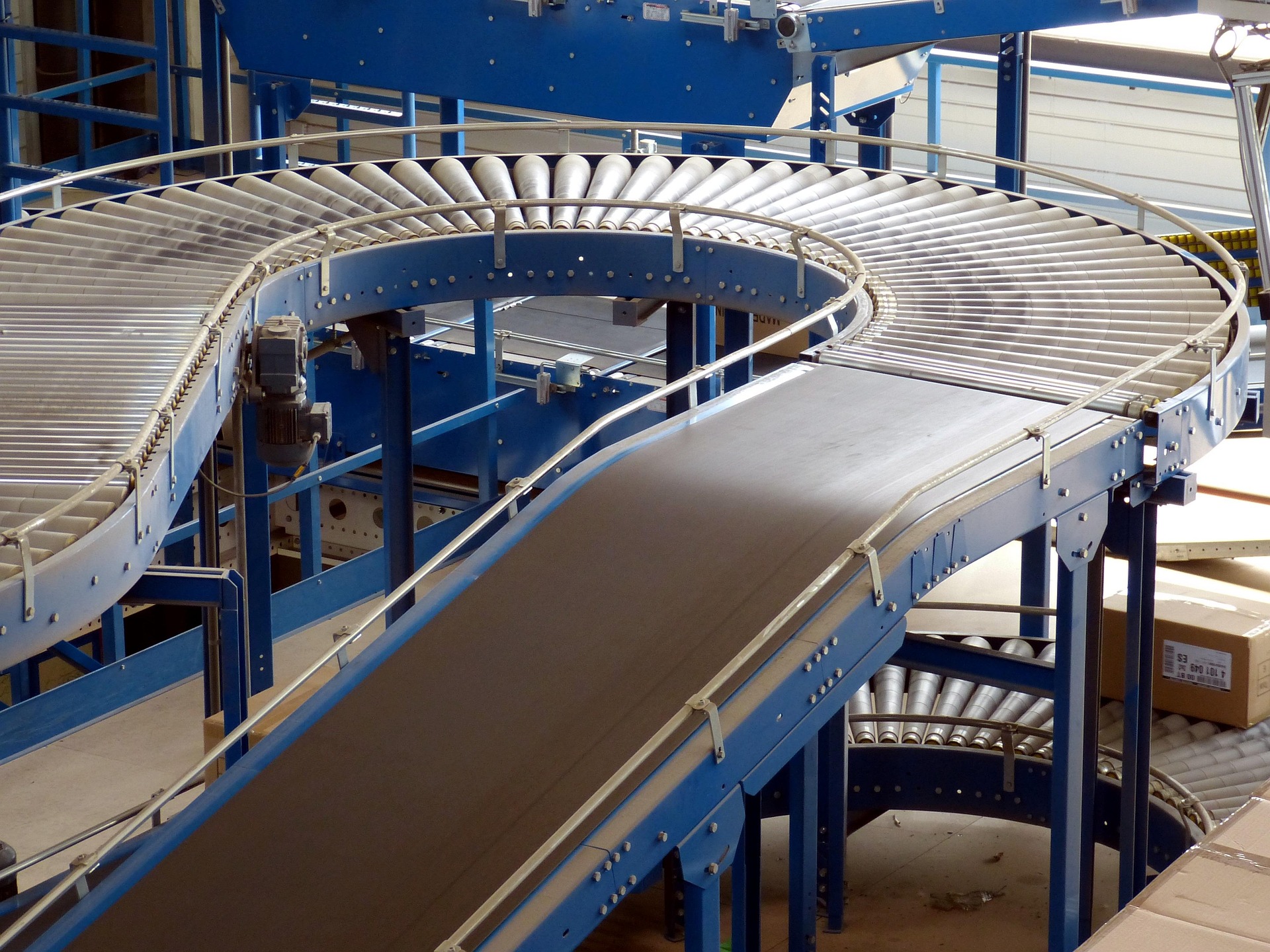
In mines and quarries, a single piece of uncrushable rock or tramp steel can snap a drive chain, strip a gearbox or burn out a motor. Load Controls power sensors read crusher, conveyor and pump motor power in the motor control centre and stop the drive within milliseconds of a jam, then give you the data to run closer to capacity the rest of the time.
Fast response controls act like a shear pin: they cut the motor supply as soon as the load exceeds a safe level, but nothing breaks, so the drive restarts as soon as the jam is cleared. The ROC-50 trips on how quickly load rises, which catches rock jams that may not immediately reach a fixed limit; the PFR-1750 gives a warning for overfeeding and a trip for a full jam. Both respond in 25 milliseconds.
With a live power signal, operators and control systems can feed a crusher close to its safe maximum without stalling it. The same signal can regulate a vibratory feeder so material arrives at a steady rate.
The sensors are installed in the motor control centre on the motor supply, away from dust, vibration, water and weather. Nothing is mounted on the crusher or conveyor.
Logged in kWh, motor power shows the energy cost per tonne crushed or conveyed and supports maintenance based on condition rather than fixed intervals.
Further reading: Conveyors: jam detection, Electronic shear pins, Why fault detection speed matters
How fast can a control stop a crusher on a rock jam?
The PFR and ROC-50 controls respond in 25 milliseconds, fast enough to stop the motor before most of the shock reaches the drive chain, gearbox and bearings.
Why use rate of change instead of a fixed overload limit?
A jam produces a much steeper rise in load than normal variations in feed. Tripping on the rate of rise catches it earlier, even when the absolute load has not yet reached the overload limit.
Will dust and vibration affect the sensors?
The sensors are installed in the motor control centre on the motor supply, so they are protected from the dust, vibration and weather on site.
Which sensor do I need for a large crusher motor?
The PH-1000 covers motors up to about 750 kW. For larger motors, tell us the rating and existing current transformers and we will advise.
Tell us the application, motor size and drive type. We will recommend a model and send you a quotation. 12-month warranty and support from our team in France.
